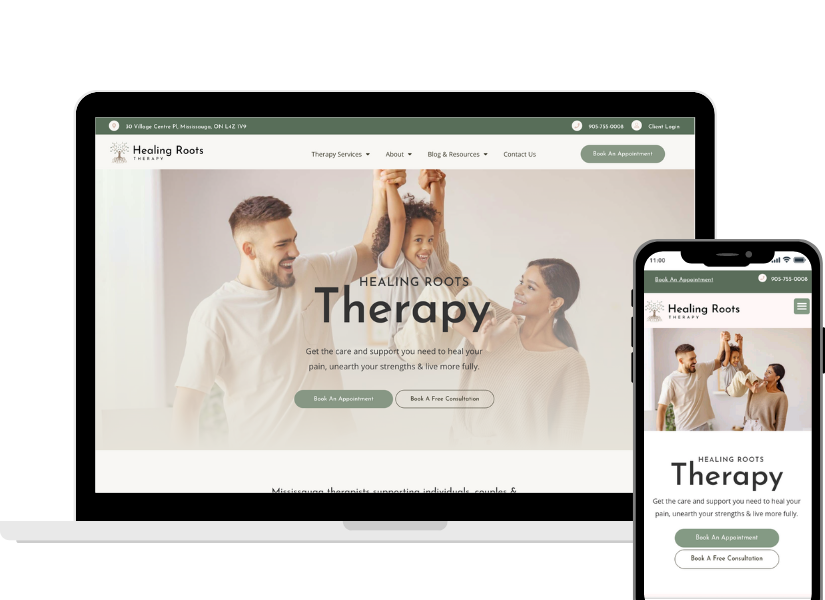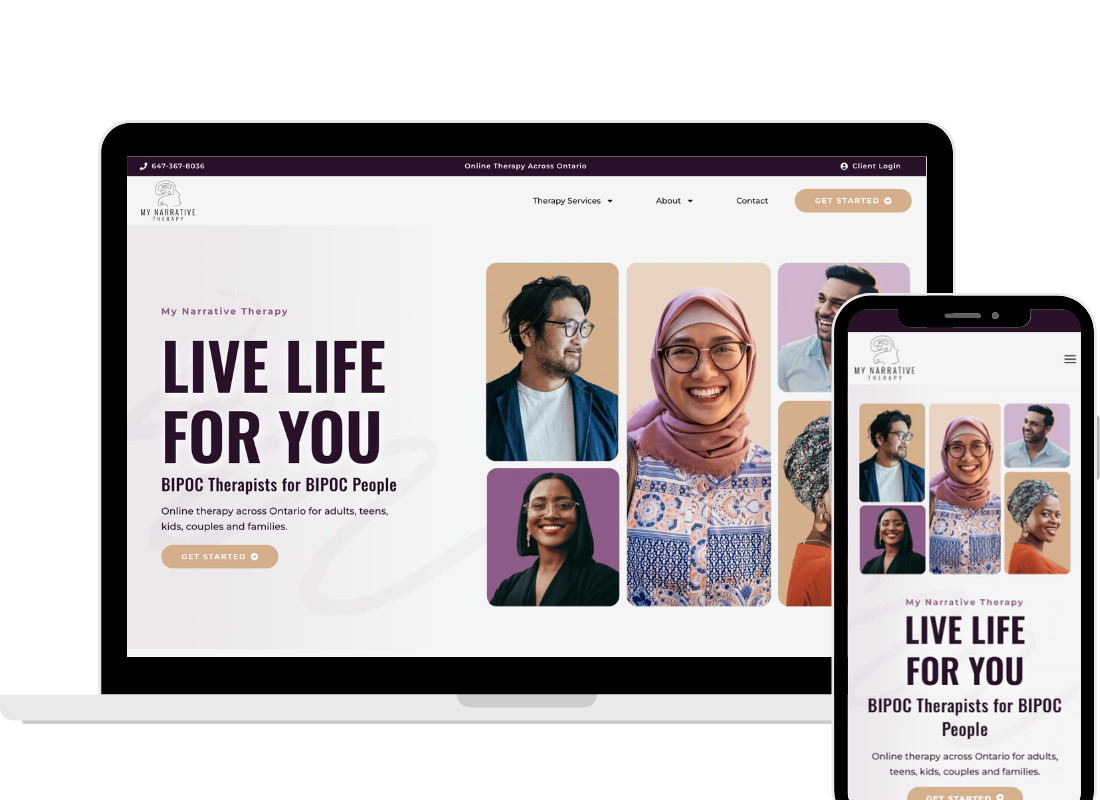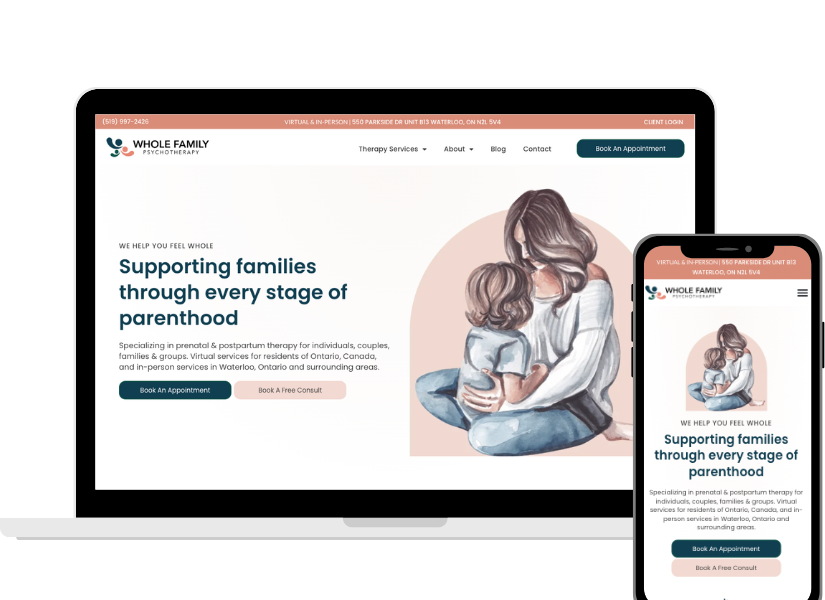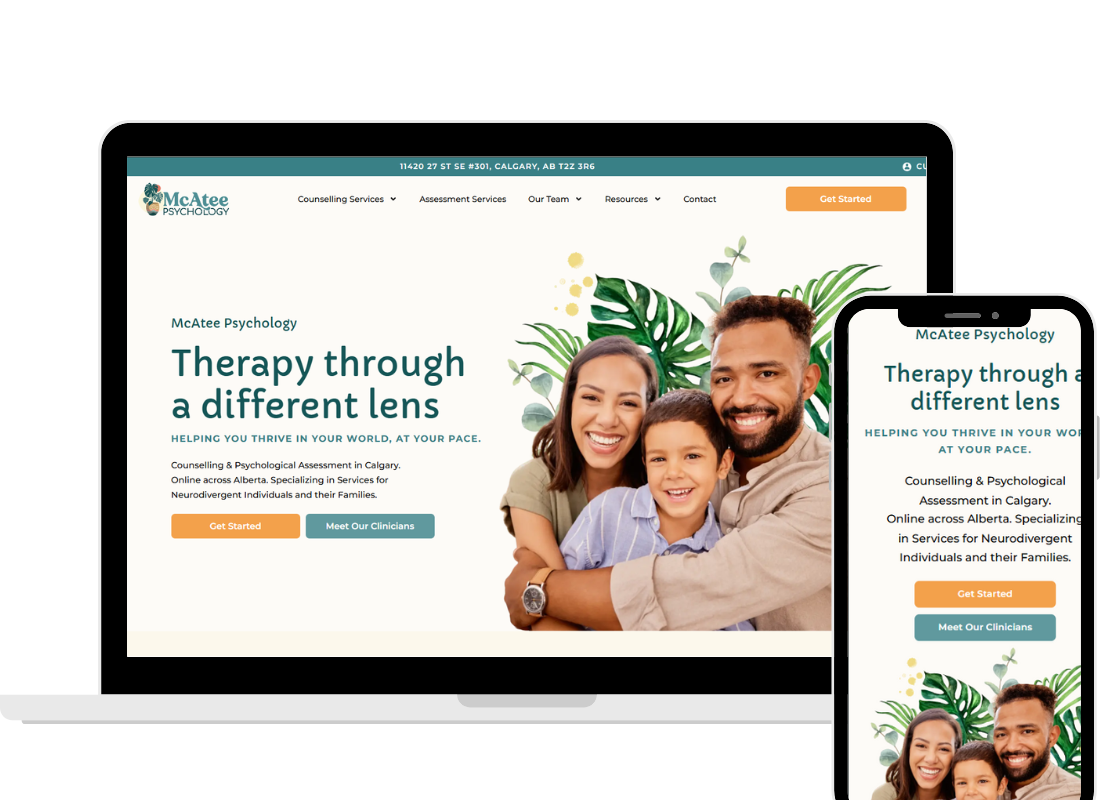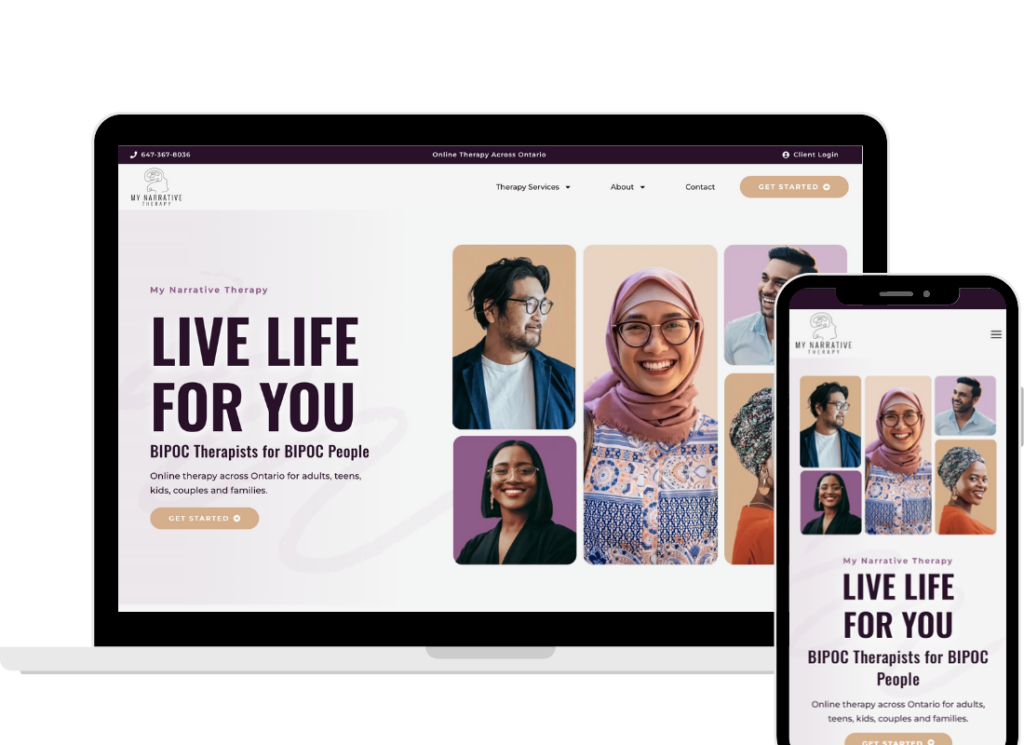

Rebranding your practice is exciting and stressful. Maybe you have outgrown your solo-practice name and are becoming a group. Maybe your original brand no longer feels aligned with who you are. Or maybe you have discovered another practice with the same name and need to pivot.
Whatever the reason, rebranding is not just about logos, fonts, and new headshots. One of the most important and often overlooked parts of the process is what happens to your old domain name.
If you do not handle this step carefully, you risk losing years of credibility with Google, breaking all the links that point to your site, and confusing clients who are trying to find you.
This is where domain forwarding comes in.
Key Takeaways
- Domain forwarding acts like mail forwarding for your website. Anyone who types in your old address gets automatically sent to your new one.
- When done correctly with a 301 permanent redirect, domain forwarding preserves your SEO authority, protects backlinks, and creates a smooth experience for clients.
- Using the wrong setup (like 302 temporary redirects or domain masking) can damage your rankings, split your traffic, or cause duplicate content issues.
- Domain forwarding is essential in a business rebrand because it ensures your past reputation, online trust, and visibility carry over to your new name.
- The earlier you put forwarding in place (before running ads, updating business cards, or relaunching your site), the smoother your transition will be.
What Is Domain Forwarding?
Think of it like this: if you moved your office across town, you would file a forwarding request with the post office so your mail does not get lost.
Domain forwarding works the same way. When someone types in your old web address (oldbrand.com), they are automatically redirected to your new one (newbrand.com).
This happens behind the scenes. Your client does not need to know your old URL is gone, and they do not land on a broken page.
For businesses going through a rebrand, it is not optional. It is a must.
Why Domain Forwarding Matters in a Rebrand
Rebranding is about building something stronger. But without domain forwarding, you risk breaking everything you have already built.
Here is why it is critical:
1. Consolidates Traffic and Authority
Google rewards consistency. If traffic, links, and mentions of your business are split between two domains, you weaken your own authority. Forwarding consolidates everything into one primary domain.
Instead of starting over, you get to bring your existing reputation with you.
2. Preserves Link Equity
Over time, other sites may have linked to you. Directories, partner organizations, blogs, even Psychology Today. Each of those links is valuable.
A 301 redirect passes most of that link equity to your new domain. Without it, those links become dead ends, and you lose credibility with both clients and Google.
3. Prevents Duplicate Content Issues
If both your old and new sites are live without proper redirects, search engines might index both versions. That creates duplicate content, which can harm rankings and confuse Google about which site is the real one.
Forwarding ensures there is only one authoritative version of your site.
4. Protects Your Brand
Clients may still type in your old name. Colleagues may share your old link. Forwarding makes sure no matter how they try to find you, they land on the right website.
It is about protecting your reputation and avoiding the appearance that you have disappeared.
5. Protects Against Expired Domains
The SEO Side of Domain Forwarding
From Google’s perspective, your domain is your online identity. When you change it, Google needs to know what happened. Otherwise, it assumes the old site is gone and the new one is unrelated.
That is where the 301 redirect comes in.
Why a 301 Redirect Matters
- 301 = permanent redirect. This tells Google the move is not temporary.
- Google then transfers the authority from your old site to your new one.
- Visitors seamlessly land where they are supposed to.
Other redirect types (like 302 temporary redirects) do not transfer SEO value. They can cause you to start from scratch, which is a costly mistake.
Avoid Domain Masking
Some registrars offer domain masking, which lets multiple domains display the same site without changing the URL in the browser. It looks neat, but it is terrible for SEO.
Why? Because search engines cannot see the proper canonical domain. That can lead to duplicate content, indexing problems, and lost rankings.
The Bottom Line
Risks of Skipping or Misusing Domain Forwarding
If domain forwarding is not done right, here is what can happen:
- Lost SEO equity. Your years of ranking power vanish, and you start from zero.
- Broken backlinks. Every referral source and directory link becomes useless.
- Duplicate content penalties. Both sites might get indexed, hurting your visibility.
- Client confusion. People wonder if you have shut down or question your professionalism.
- The good news? All of these risks are avoidable with a proper setup.
Domain Forwarding in Practice: How to Do It
Here is a simple framework:
- Secure your new domain early. Buy it as soon as you decide to rebrand.
- Keep your old domain active. Never let it expire. Renew it for several years if possible.
- Set up 301 redirects. Ask your web host or developer to forward every page (not just the homepage) to the corresponding new page.
- Update your ecosystem. Google Business Profile, Psychology Today, JaneApp, social media, and email signatures all need the new domain.
- Submit to Google Search Console. Tell Google about your new site so it reindexes faster.
- Monitor performance. Track traffic and rankings for the first few months to ensure nothing gets lost.
Domain Forwarding as Part of Your Business Rebrand
Rebrands often happen when a solo practice grows into a group, when the founder’s name no longer fits, or when it is time for a more professional presence.
Forwarding ties the old and the new together. It says to Google and your clients:
We have grown. We have rebranded. But we are still here, and everything you trusted about us is still valid.
It is not just a technical step. It is a credibility step.
FAQs About Domain Forwarding
Do I really need to keep paying for my old domain?
Does forwarding hurt SEO?
How long should I keep domain forwarding in place?
Can I forward multiple domains to my new site?
Conclusion: Do Not Let a Rebrand Cost You Clients or Credibility
Rebrands are about growth. But if you do not forward your domain properly, you risk losing everything you have already built.
Domain forwarding ensures your SEO carries over, your clients find you easily, and your reputation remains intact.
If you are rebranding your practice, do not skip this step. It may feel small, but it is the foundation of a smooth transition.