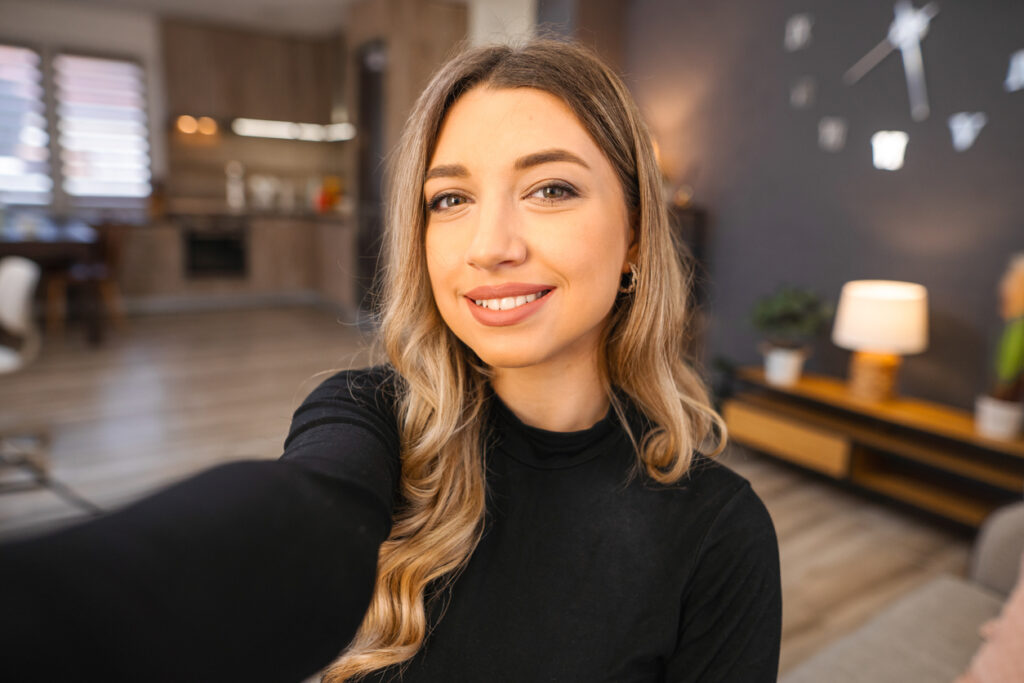
Psychology Today recently introduced video to therapist profiles, and it is already changing how clients search for help. Instead of only scrolling through faces and reading text, people can now watch you speak, hear your voice, and get a quick sense of whether they feel comfortable with you.
This makes your Psychology Today video one of the most powerful tools for attracting the right-fit clients. It also means that a rushed, unclear, or overly formal video can work against you.
If you have ever thought I do not know what to say or I cannot stand watching myself on camera or I filmed something but it does not feel like me you are not alone. Most therapists feel this way. The good news is that you do not need a background in video production to create something strong and effective. You just need a plan, a structure, and support if you want it.
This guide will walk you through everything you need to know to create an effective Psychology Today video, including examples, scripts, setup tips, common mistakes, and how to overcome the discomfort of being on camera.
If you want one-on-one help recording your video, you can learn about our support sessions here:
https://masteryourmessage.ca/therapy-website-design/
And if you cannot find a time, you can reach out here:
https://masteryourmessage.ca/contact/
Key Takeaways
- Your Psychology Today video should feel natural, grounded, and clear, not scripted or overly formal.
- Most effective videos are between 15 and 30 seconds, with 25 seconds as the sweet spot.
- The strongest videos open with a simple greeting, briefly reflect the viewer’s problem, share who you help, and close with a clear next step.
- Quality matters. Good lighting, clean sound, and a calm background help people feel safe and focused.
- Video placement on Psychology Today improves visibility because many clients now search using the video filter.
- If creating this feels overwhelming, you do not have to do it alone. We coach therapists through recording their videos in real time.
Why Your Psychology Today Video Matters More Than Ever
Video is now one of the most effective ways people screen therapists. It is fast, human, and intuitive. Instead of guessing what it might feel like to work with you, potential clients can hear your voice, sense your energy, and decide whether they feel comfortable reaching out.
This matters, because the single strongest predictor of therapeutic success is the quality of the therapist client relationship. Your video gives people a chance to form an initial impression that written words simply cannot offer.
Another important shift is how clients use Psychology Today. Many people now filter their search results to only show profiles with videos. Try it yourself. Go to Psychology Today, pretend you are looking for a therapist, and click the video filter. You will immediately see how much visibility a video gives you.
This means that not having a Psychology Today video can reduce how often your profile appears, especially in competitive cities or niches.
Why Most Psychology Today Videos Do Not Convert
Many Psychology Today videos miss the mark in predictable ways. The issues are not about being awkward on camera. Those moments actually make you relatable. The problem is structure, clarity, and how the message lands.
Below are the most common issues, followed by the deeper reason each one hurts conversion.
1. Starting with credentials
Therapists often open with I am a registered psychologist in private practice or I hold a master’s in counseling.
Why it hurts:
Viewers cannot connect with credentials before they connect with you. They need to know that you understand what they are struggling with. Leading with your qualifications sounds like you are presenting at a conference rather than speaking to a real person.
2. Speaking in academic language
Many therapists unintentionally shift into professional mode as soon as the camera turns on.
Why it hurts:
People searching Psychology Today are often anxious, overwhelmed, or discouraged. Academic or technical language increases that distance. Clear, simple language is not unprofessional. It is compassionate.
3. Trying to explain everything you do
You do not need to summarize your entire practice in under a minute.
Why it hurts:
A crowded explanation creates cognitive overload. People do not remember details. They remember whether they felt understood. A focused message always lands better than a comprehensive one.
4. Sounding overly formal
Hello and welcome to my profile is very common.
Why it hurts:
When the tone feels stiff or rehearsed, viewers cannot imagine what it might be like to speak to you in a session. The goal is not perfection. It is presence.
5. Filming without care for lighting, sound, or background
Good therapy relies on safety. Video imagery communicates safety too.
Why it hurts:
If the lighting is dim, the sound is echoing, or the background is busy, viewers subconsciously feel unsure or distracted. They may click away even if the content of your message is excellent.
6. Rushing the call to action
Many therapists end abruptly with If you want to learn more, you can reach out.
Why it hurts:
People need clarity when they are vulnerable. A call to action helps them take the next step without second-guessing themselves.
The Structure of a High-Converting Psychology Today Video
1. A simple, warm greeting
You only need one line, delivered slowly and naturally.
Examples:
- Hi, I am Heather.
- Hi, I am Taylor.
This helps people hear your name and settle into your presence before you move forward.
2. Reflect a clear version of the problem
This is not where you diagnose. It is where you show you understand what clients are experiencing.
Examples:
- If you have been feeling overwhelmed or stuck.
- If you are carrying a lot and not sure where to turn.
- If anxiety is starting to interfere with your day.
This activates recognition. People stay with you when they feel seen.
3. Share who you help
Briefly name your population or specialization.
Examples:
- I work with adults navigating stress, anxiety, and life transitions.
- I help couples who want to communicate more effectively.
- I support teens who are feeling burned out or isolated.
Avoid listing everything you treat. One to two areas is enough.
4. Offer a sense of your approach
One sentence only.
Examples:
- My approach is warm, direct, and grounded in helping you move forward.
- I work collaboratively so you never feel alone in the process.
- I focus on creating a space that feels steady and supportive.
This helps viewers imagine what it would feel like to work with you.
5. Close with a clear next step
This is where most videos fall flat. Your call to action should be calm and specific.
Examples:
- If this sounds like what you are looking for, you can reach out through my profile.
- If you want to learn more, you can book a consultation below.
- If you feel ready, I would be glad to connect.
Simple, grounded language is always stronger than sales language.
What to Say in Your Psychology Today Video Script
You do not need to script your entire video. In fact, memorizing every word can make you sound stiff or distracted. Instead, use this method:
Memorize:
- Your opening line
- Your closing line
Use bullet points for:
- The problem statement
- Who you help
- Your general approach
This keeps your delivery natural while helping you stay focused.
Here is a full example script using this method:
Hi, I am Heather. If you have been feeling burned out or overwhelmed lately, you are not alone. I work with adults who want support navigating stress, anxiety, and the pressure to hold everything together. My approach is warm, steady, and practical so you can feel a little more grounded as we work together. If this feels like the right fit for you, you can reach out through my profile. I would be glad to connect.
This structure is simple, calm, and easy to deliver. It also gives viewers exactly what they need to decide whether they should reach out.
How Long Should a Psychology Today Video Be
Psychology Today allows up to 60 seconds, but you do not need the full minute. The strongest videos are between 15 and 30 seconds. The sweet spot is around 25 seconds.
Why shorter works better:
- People make decisions quickly
- A concise message is easier to remember
- Shorter videos often feel more natural
- Viewers are more likely to watch to the end
- The call to action lands more clearly
You are not teaching. You are helping someone understand if they might feel safe with you. Shorter helps them stay with you the whole way.
What to Wear, Where to Film, and How to Set Up Your Space
Lighting
Aim for soft, even lighting on your face.
Avoid harsh shadows, dim rooms, or backlighting.
Good lighting options:
- Facing a window with natural light
- A simple ring light or softbox
- A lamp placed slightly in front of you
The goal is clarity, not perfection.
Background
You do not need a curated background. You just need one that is not distracting.
Simple backgrounds work best:
- A solid wall
- A bookshelf with a few items
- A tidy corner of your office or home
If you are unsure, step back and ask: Does anything behind me pull focus?
Camera placement
Place your camera at eye level. This helps your expression feel natural and grounded.
If you are using your phone, use a tripod so the image stays steady.
Important notes:
- Do not film from below
- Do not hold your phone
- Leave a little space above your head in the frame
Audio
Clear sound often matters even more than video quality.
Make sure to:
- Record in a quiet room
- Turn off fans or background noise
- Move slightly closer to the microphone
Good audio helps people feel closer to you.
What You Should Use to Record Your Psychology Today Video
You do not need expensive equipment.
The best options are:
- Your phone
- Zoom
- Loom
Many therapists assume they need their website-quality setup for Psychology Today, but that is not true. In fact, more casual videos often perform better for this platform because they feel more natural.
If you use your phone:
- Use a tripod
- Set it to cinematic mode if available
- Face a window for lighting
If you use Zoom or Loom:
- Use the built-in portrait mode
- Ensure the lighting is in front of you
- Consider a simple lapel mic if your space echoes
Your goal is clarity, warmth, and steadiness. Nothing more.
Common Mistakes to Avoid When Filming Your Psychology Today Video
Speaking too quickly
Trying to sound polished
Overusing script memorization
Using long sentences
Adding music
Including too many therapy terms
Recording in poor lighting
Not leaving space to breathe
Why You Might Feel Awkward on Camera and How to Move Through It
Almost every therapist feels self-conscious the moment they hit record. That feeling is not a sign that you are doing it wrong. It is a sign that you are human.
Common reasons therapists feel uncomfortable:
- The pressure to represent themselves perfectly
- Watching themselves back on screen
- Worrying about sounding professional
- Wanting to avoid judgment
- Overthinking the “right” words
A few things help ease the pressure:
1. Stop expecting one perfect take
2. Use the structure, not a full script
3. Imagine one specific client
4. Do a few “warm up” takes
5. Get support
If recording alone keeps you stuck, we can coach you through it in real time. Many therapists feel immediate relief when someone guides the process.
You can learn more here:
https://masteryourmessage.ca/therapy-website-design/
How Psychology Today Uses Video in Its Search Results
This part matters for visibility.
Psychology Today now allows users to filter profiles by video. This means:
- Profiles with video appear more often
- Profiles without video are filtered out during video-only searches
- Videos increase your chances of being seen in competitive cities
- Clients who prefer video first impressions will skip profiles without one
This is one of the clearest visibility upgrades Psychology Today has ever made.
Again, try it yourself. Set your city, click the video filter, and see what happens. You will instantly understand why having a Psychology Today video is now essential.
Should You Reshoot Your Psychology Today Video
You might consider reshooting if:
- You sound overly formal or overly rehearsed
- Your lighting is dim
- Your background is cluttered
- You speak too quickly
- The message is too long or scattered
- You do not feel proud of it
- You filmed before you understood the structure and want a clearer version
A strong Psychology Today video does not need to be perfect. It just needs to sound like you on a good day.
FAQ About Psychology Today Videos
How long should my Psychology Today video be?
What should I say in my Psychology Today video?
Should I film my Psychology Today video on my phone?
Does video affect my ranking on Psychology Today?
What is the best script for a psychology today video?
Should I mention my credentials or therapeutic modalities?
Can I get help recording my psychology today video?
Yes. We provide one on one video support where we walk you through your script, setup, and delivery. You can learn more here:
https://masteryourmessage.ca/therapy-website-design/
Should my Psychology Today video match my website videos?
Not necessarily. Psychology Today videos perform best when they feel simple and natural. Website videos can be more polished and produced, depending on your brand. If you need help with your website, you can explore our services here:
https://masteryourmessage.ca/websites-for-therapists/
https://masteryourmessage.ca/websites-for-psychologists/
https://masteryourmessage.ca/websites-for-counsellors/
Ready To Feel Confident In Your Psychology Today Video?
Creating a Psychology Today video does not have to feel overwhelming or high pressure. It is simply a short introduction that helps people understand what it might be like to work with you. When you keep your message clear, speak at a comfortable pace, and use a simple structure, your video becomes one of the easiest parts of your practice marketing.
If you want support while you record, or you are tired of redoing take after take, we can walk you through the process step-by-step. You do not have to figure this out alone.
You can learn more about getting help with recording here:
https://masteryourmessage.ca/therapy-website-design/
And if you cannot find a time that works, reach out anytime:
https://masteryourmessage.ca/contact/
A strong Psychology Today video does not need to be perfect. It just needs to sound like you. That is more than enough for the right clients to reach out.