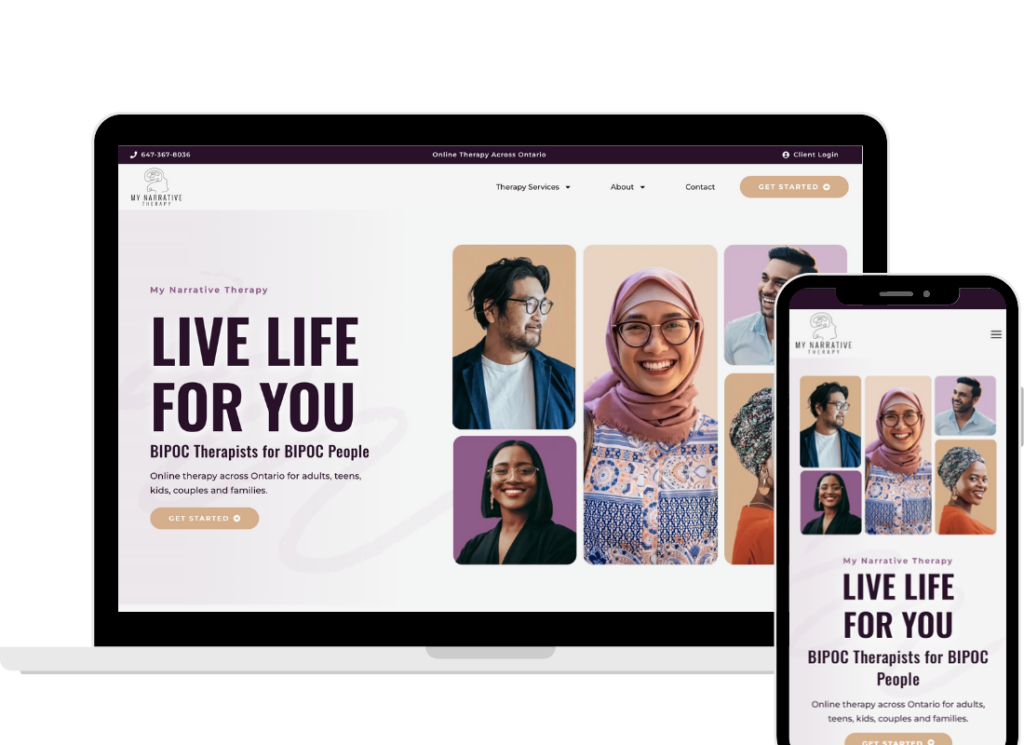

You have probably tried a few things already. Maybe you turned on Google Ads, signed up for a directory, posted on social media, or wrote a couple of blogs on your private practice website. You spent money, you spent time, and somehow your caseload still did not change the way you hoped.
It is frustrating when you are doing “all the right marketing things” for your therapy practice and you still feel invisible. You might even be wondering if you are just not cut out for online marketing at all.
Here is the truth.
Most therapists do not have a marketing problem. They have a foundation problem.
You can invest in Google Ads, referrals, social media, and blogging, but if your website is not set up to connect and convert, your marketing will always feel like pouring water into a leaky bucket.
In this guide, we will walk through how to get more therapy clients, how to attract private pay therapy clients, and how to market an online therapy practice in a way that feels doable, ethical, and sustainable. We will also show you how your website and messaging need to be set up so your marketing finally starts working.
Key Takeaways
- You can get more therapy clients without hustling on every platform or burning yourself out
- No marketing strategy will work well if your counselling website is confusing, outdated, or unclear
- To attract private pay therapy clients, you must speak directly to their needs and show clear value
- A solid online foundation includes a clear message, a focused niche, and a therapy website that guides visitors toward booking
- Organic marketing and paid marketing can both work, but they play different roles and depend on your foundation
- Google Ads, blogging, SEO, and referrals work best when your site is ready to convert visitors into clients
- Investing in your website and brand is not vanity, it is one of the most effective ways to improve all of your marketing
Step 1: Start With The Foundation Before You Market Anything
Before we talk about ads, SEO, blogging, or referrals, we need to look at what happens after someone clicks.
You can get hundreds of clicks from Google Ads or thousands of views from Instagram, but if your website does not answer the basic questions in a clear, grounded way, people will quietly leave and look for someone else.
Ask yourself, when someone lands on your website:
- Do they quickly understand who you help and how you help them
- Can they easily find how to book, contact you, or join a waitlist
- Does your copy sound like a real human, or does it sound like a textbook
- Do you speak to a specific problem, or try to help “everyone with everything”
If the answer is “not really” to any of these, your marketing will struggle, no matter how hard you try.
To strengthen your foundation, you might want to explore:
- What to Include on Your Therapy Website
- The 4 Pages Every Therapy Website Needs
- Why Your Therapy Website Is Not Converting
When your website and messaging are solid, every marketing effort you make has a much better chance of working.
Step 2: Get Clear On Who You Actually Want To Reach
If you are trying to learn how to get more therapy clients, it can be tempting to keep things very broad. You might think that if you speak to everyone, you will appeal to more people.
In reality, the opposite is true.
Private pay therapy clients in particular look for someone who feels like a specific fit. They are not just price shopping, they are trying to solve a specific problem.
To attract private pay therapy clients, get specific about:
- The problems you are most equipped to help with
- The people you most enjoy working with
- The kind of transformation you help them create
You do not need a tiny niche, but you do need clarity. When your website copy, page titles, and calls to action reflect that clarity, your marketing becomes much more effective.
If you want support with this kind of clarity work, a service like our Business Clarity Call or website projects can help you define your message and build around it.
Step 3: Understand Organic Versus Paid Marketing
There are many ways to market an online therapy practice. Most of them fall into two broad categories: organic and paid.
Both can help you get more therapy clients. However, they work differently and shine at different stages.
Organic marketing for therapists
Organic strategies do not require you to pay for each click. These include:
- Blogging and SEO
- Showing up in search results for your niche and location
- Directory listings such as Psychology Today
- Social media posts and educational content
- Email newsletters and nurture sequences
Organic marketing is powerful for long term growth. It builds trust, authority, and visibility over time. It is slower at first, but tends to compound.
Paid marketing for therapists
Paid strategies involve paying per click or per impression. These include:
- Google Ads
- Meta ads (Facebook and Instagram)
- Paid directory placements or boosted listings
Paid marketing can help you get more therapy clients faster, especially if you are in a competitive area or want to fill a specific service quickly. It is especially effective when your website and offer are already clear.
If you turn on Google Ads before your foundation is ready, you may end up paying for a lot of clicks that do not convert. That is often why therapists say, “I tried ads and they did not work.”
Step 4: How To Get More Therapy Clients With Your Website
Your website is the hub of almost every online marketing strategy. It is where referrals land, where people click through from Google, and where social media traffic should eventually end up.
If you want to get more therapy clients, focus on turning your website into a place where it is easy to feel connected and safe enough to take the next step.
Your homepage should
- Clearly describe who you help and what you help them with
- Show what makes your approach a good fit for your ideal client
- Offer one primary next step, such as “Book a free consultation”
- Reassure people who are nervous or unsure about therapy
Your about page should
- Speak to your values and approach
- Help people see you as both professional and human
- Highlight any special training or specialities clearly
Your services pages should
- Focus on client experiences and outcomes, not just modalities
- Use language your clients would actually use
- Make it clear how to start
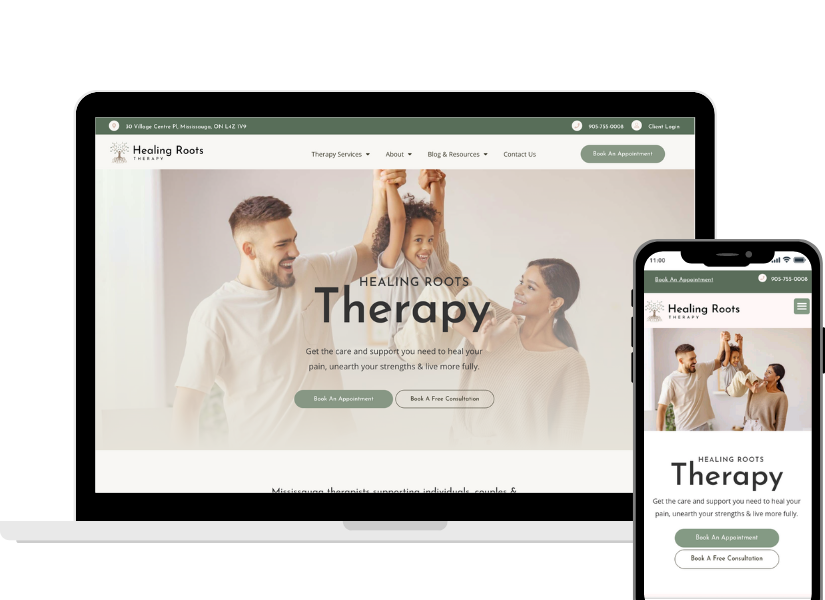
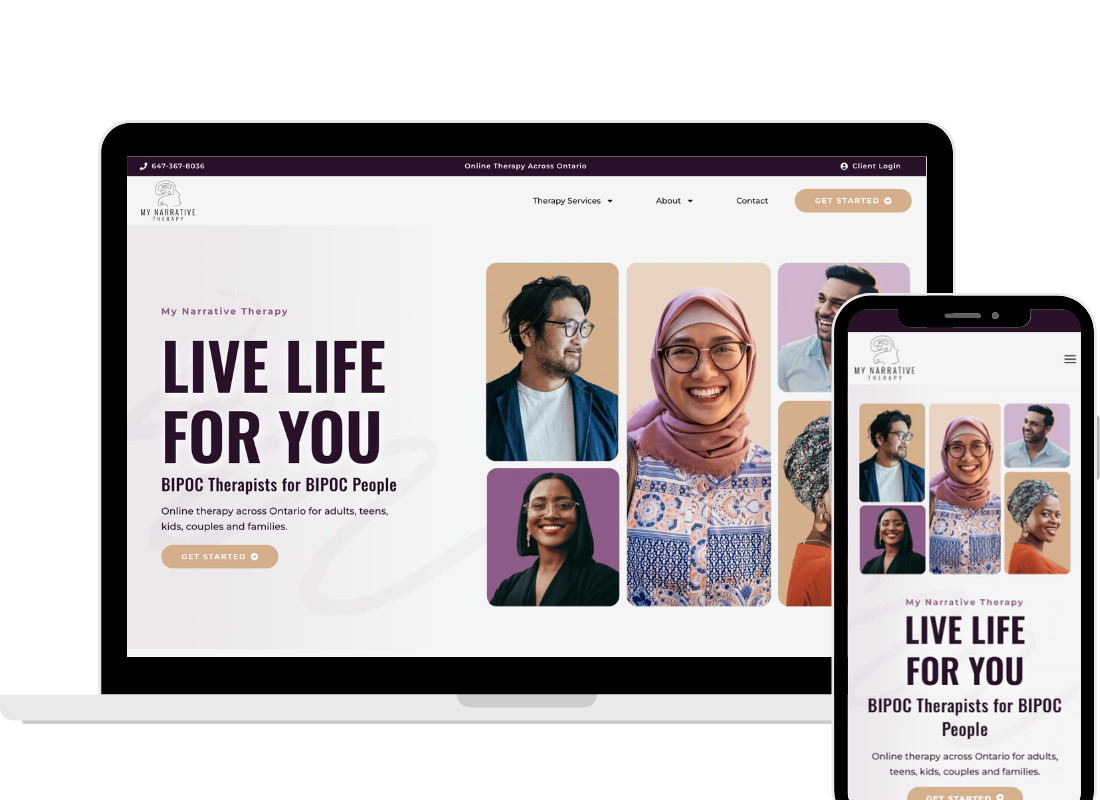
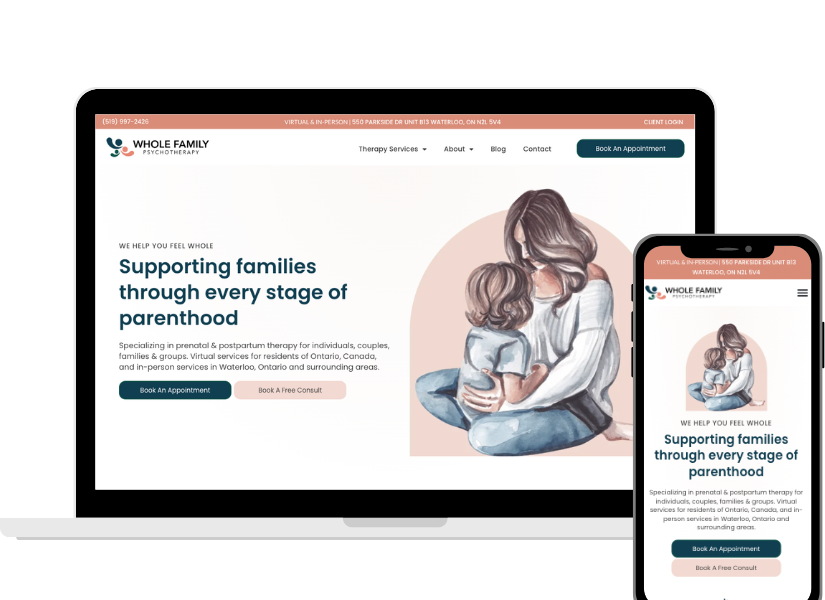
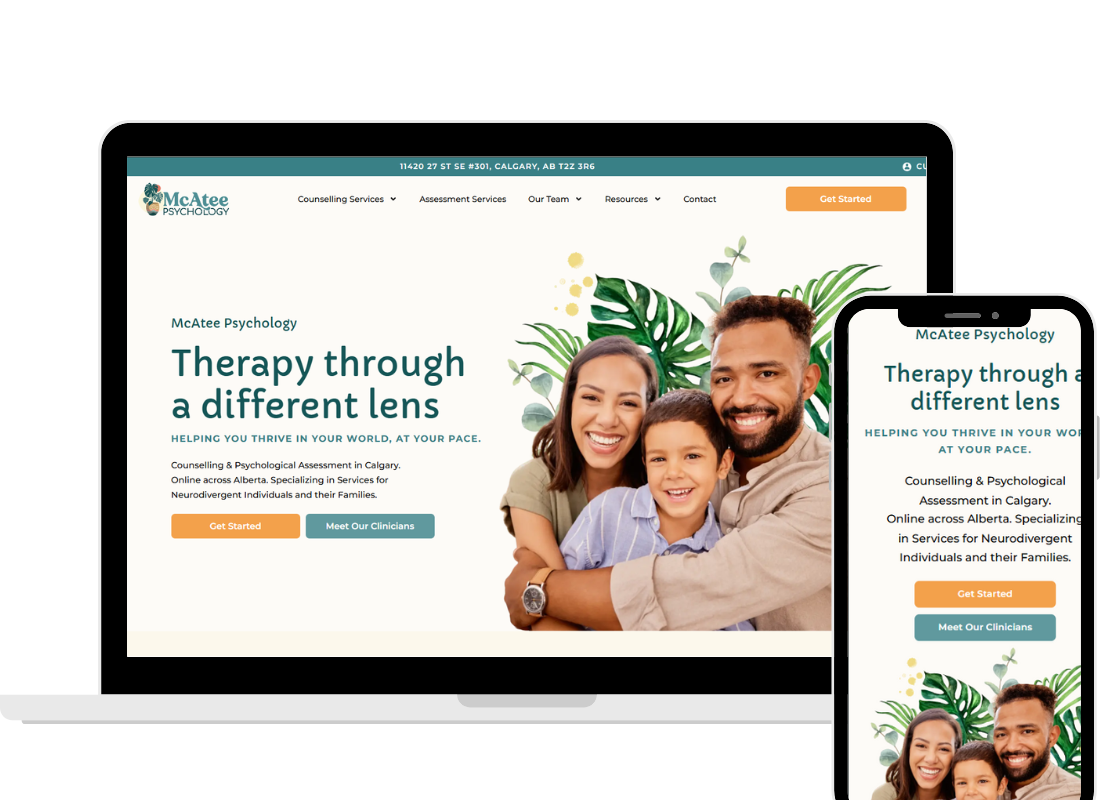
For help designing or redesigning a therapist website that actually works, you can explore:
Step 5: How To Attract Private Pay Therapy Clients
Private pay clients often care about more than just cost. They are looking for:
- Someone who feels like a specific fit
- An approach that matches how they see the world
- Clear explanations of how therapy might help them
- Confidence that you understand what they are going through
To attract private pay therapy clients:
Speak directly to their pain points
Show how you help, not just what you know
Reduce friction in booking
Make your value visible
Share what working with you is like. Include case examples or anonymised stories if appropriate. You can also show what makes your experience, training, or niche unique in a grounded way.
When your website speaks clearly to private pay clients, your marketing has something strong to point people toward.
Step 6: How To Market An Online Therapy Practice Using SEO And Blogging
If you want clients to find you through Google, blogging and SEO are key tools. Many therapists think SEO is a mysterious, highly technical skill. In reality, it is mostly about helpful content, clear structure, and consistent effort.
Start with the basics
- Make sure your site is easy to navigate
- Use clear headings that reflect what the page is about
- Include your location and niche in key places, such as page titles and headings
Use blogging to answer real questions
One of the best ways to market your online therapy practice is to write blog posts that answer questions your ideal clients are already asking.
For example:
- “How do I know if I need therapy or coaching”
- “How to cope with burnout as a helping professional”
- “What to expect from online therapy in Canada”
Over time, these posts can help your site show up in more search results.
You can learn more here: How Therapists Can Find Blog Topics That Actually Help Their SEO
Step 7: Using Google Ads Without Wasting Your Budget
Google Ads can help you get more therapy clients more quickly, especially if you are targeting a specific niche or location. However, they can also become expensive fast if your website or targeting is off.
Before you run ads, make sure
- Your homepage and key service pages are clear and focused
- Your contact or booking page is easy to use
- You know what kinds of clients you are trying to attract
- Your ad copy matches what is on your landing page
If you are running ads and noticing lots of clicks but very few bookings, that is a sign that your website might not be doing its job. Fixing the foundation often improves your ad performance more than tweaking keywords or bids.
Step 8: Referrals, Directories, And Word Of Mouth
Referrals
Build relationships with:
- Other therapists with different niches
- Local physicians, nurse practitioners, or wellness providers
- Coaches or dietitians whose clients may also benefit from therapy
When someone looks you up after a referral, they will often go straight to your website. This is another reason your online presence needs to support the trust that referral already created.
Directories
Directories such as Psychology Today, Zencare, and others can still help, especially when:
- Your profile is specific and clear
- Your photos and copy feel warm and professional
- Your link sends people to a website that matches the tone of your profile
You can also use your site to add “extra” trust that directories sometimes cannot hold, such as deeper explanations of your services or more detailed information about your approach.
Step 9: Measure What Is Working So You Can Do More Of It
When you are learning how to get more therapy clients, it is important to know what is actually working. Otherwise, everything feels like guesswork.
You do not need to become a data analyst. However, a few basics can help:
- Track how new clients found you during intake
- Notice which blog posts get the most views or shares
- Pay attention to which pages people often visit before they book
If you start to see patterns, you can lean into the strategies that are already working and adjust or drop what is not.
Common Mistakes When Trying To Get More Therapy Clients
Turning on ads before the foundation is ready
Trying to be everywhere at once
Speaking to everyone
Assuming nothing is working because it is slow
FAQs About How To Get More Therapy Clients And Market An Online Therapy Practice
How do I get more therapy clients if I am just starting out?
How can I attract more private pay therapy clients?
Is Google Ads a good way to get more therapy clients?
How important is SEO for an online therapy practice?
Do I need to be on social media to get more therapy clients?
What should I fix first if my marketing is not working?
Ready To Make Your Marketing Actually Work For You?
You do not need to chase every trend or spend a fortune on ads to get more therapy clients. You do need a clear message, a solid website, and a marketing approach that fits how you work.
If your marketing has felt discouraging or confusing, you are not alone. We help therapists build an online foundation that makes everything else easier.
If you are ready for support, we would love to talk.